


In today’s digital world, technology has redefined how we interact, communicate, and even how we enforce the law. Globally, and especially in Kenya, law enforcement agencies increasingly rely on online data (your search history & activities) for investigative and crime prevention purposes. Notably, these data is commissioned from your Internet Service Provider to GPS tracking and Social Media Platforms. With the ease to access this information, online data has become an important asset for the law enforment agencies in Kenya. However, with these advancements to enhance national security, they also raise critical concerns about personal privacy, data protection, and ethics surrounding the use of citizens' data. With this in mind, this article aims to educate Kenyans on how technology is reshaping law enforcement and invites individuals interested to learn the skills needed to participate in this growing field. At Watan Training Institute, we offer professional Certificate & Diploma courses under the School of ICT (Information and Communication Technology) including Cybersecurity, Data Privacy and Compliance, Network Security among others.
1. The Evolution of Law Enforcement Through Technology
The integration of digital tools into law enforcement isn’t new. Globally, police forces began using basic digital databases in the late 20th century, cataloging fingerprint records and vehicle registrations. These developments set the stage for more advanced tools that would follow, including CCTV Cameras, Automated License Plate readers, and Digital Records.
In Kenya, the National Police Service (NPS) has also increasingly adopted such technologies. Recently, the ministry of defence has invested in modernizing the police service by implementing the Integrated Communication and Surveillance System (ICSS), which enhanced communication, data management, and surveillance capabilities. Moreover, mobile phone data has enabled the tracking of suspects’ locations, while advanced databases allow for faster cross-referencing of criminal records. Studies show that the use of mobile technology in crime-fighting accelerates investigations significantly, leading to faster and more effective responses in high-stakes situations, such as in missing persons cases and counter-terrorism efforts.
2. How Police Access and Use Citizen Data Today
In Kenya, law enforcement agencies access your online browsing history & activities through multiple channels. Key sources include:
- Social Media Monitoring: Many internet users voluntarily share their locations, browsing activities, and personal connections on platforms like Google, Tiktok, Facebook, Twitter among others and law enforcement agencies often scan these sites for potential threats and clues that may aid investigations. More specifically, they employ advanced tools such as Open Source Intelligence (OSINT) platforms, geolocation tracking, and keyword monitoring systems to gather publicly shared data, including locations, posts, and personal connections. Tools like Maltego, GeoFeedia, and Dataminr allow agencies to track activities in real time, while facial recognition technologies like Clearview AI analyze images and videos to identify individuals or locations. Additionally, sentiment analysis and behavior mapping help flag suspicious actions or conversations. For instance, according to a report by CRIMXIV, social media platforms have been helping law enforcement agencies connect digital trails to real-life locations, often assisting with identifying suspects or confirming their whereabouts.
- Public Surveillance and CCTV: Police today access and use citizen data from public surveillance and CCTV systems to enhance public safety, solve crimes, and monitor potential threats. Public surveillance cameras, often installed in high-traffic areas such as streets, transportation hubs, and public buildings, capture video footage that law enforcement can review in real time or after incidents. CCTV systems from businesses and private properties are also a critical resource when owners voluntarily share recordings during investigations. Police analyze this footage to identify suspects, track movements, and gather evidence using tools such as facial recognition software, license plate recognition systems, and motion detection algorithms. In Kenya, Nairobi and other major cities have installed surveillance cameras across public spaces to monitor such activities. These cameras are connected to the National Command and Control Centre, providing real-time visuals and enabling quick identification of security threats.
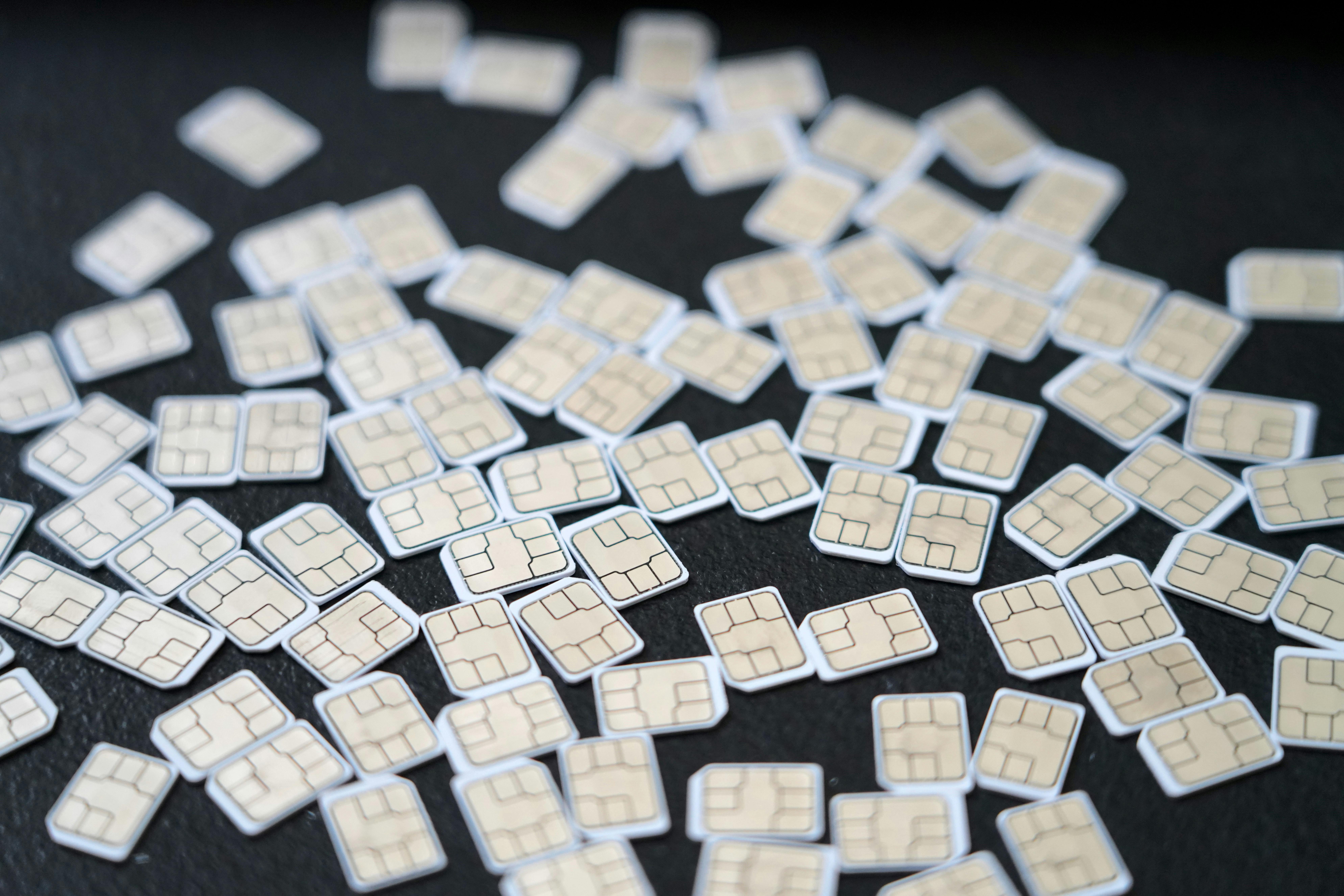
- Geolocation Data from Mobile Phones: Law enforcement agencies in Kenya often use mobile phone data to track suspect movements by leveraging telecommunication technologies, collaboration with service providers, and advanced tracking tools. This process begins with identifying the suspect’s phone number or SIM card, after which mobile network operators, such as Safaricom or Airtel, provide data on the cell towers the phone connects to. As the suspect moves, their phone automatically connects to the nearest tower, enabling police to trace their approximate location over time. Additionally, call data records (CDRs) are analyzed to provide logs of calls, SMS messages, and internet usage, including timestamps and the locations of the cell towers involved during communication. In some cases, advanced devices like IMSI catchers (Stingrays) are used to mimic cell towers, capturing real-time location data and metadata from nearby phones. GPS and location data from apps or social media may also be accessed through service providers or by analyzing public information. Telecom providers are legally obligated to assist law enforcement under laws like the Kenya Information and Communications Act, 1998 but such data access usually requires proper authorization, such as a court warrant, to protect citizens’ privacy. While these methods are instrumental in solving crimes, locating missing persons, and combating terrorism, they also raise concerns about privacy and the potential for misuse.
3. The Role of Big Data and AI in Modern Policing
Modern law enforcement in Kenya is witnessing a shift towards big data and artificial intelligence (AI). Big Data and Artificial Intelligence (AI) are transforming modern policing by enabling law enforcement agencies to analyze vast amounts of information quickly and accurately, leading to smarter decision-making and more effective crime prevention. Through the integration of Big Data, police can aggregate and analyze data from various sources, including surveillance footage, social media, mobile phone records, and public databases, to identify patterns, trends, and potential threats. AI enhances this process by applying machine learning algorithms and predictive analytics to detect anomalies, predict criminal behavior, and optimize resource allocation. For instance, a study published in The ‘uberization of policing’? explains that predictive algorithms can analyze crime patterns, allowing officers to proactively target areas with higher potential for criminal activity.
AI is also being integrated with CCTV systems to enhance facial recognition capabilities. While facial recognition aids in identifying suspects quickly, the technology is still evolving and prone to errors, sometimes raising ethical concerns over misidentification. Moreover, the accuracy of AI models varies significantly, with potential biases that can disproportionately affect certain populations. This aspect highlights the importance of carefully vetting the data that powers these tools and maintaining ethical standards.
4. Ethical Concerns and the Need for Regulation
While the benefits of data access in law enforcement are substantial, ethical concerns around privacy and civil liberties must be addressed. Key issues include:
- Privacy and Civil Liberties: Access to citizen data can sometimes lead to a sense of surveillance, which may erode public trust. According to Privacy International, an organization advocating for digital rights, there is a thin line between data access for security purposes and the invasion of personal privacy.
- Potential for Bias: Predictive policing algorithms sometimes show biases based on the datasets used. For instance, if data is derived from areas with historically higher crime rates, it may lead to repeated over-policing in those areas, potentially lowering the trust between residents and police.
- Need for Transparent Policies and Oversight: With no comprehensive data privacy law yet in Kenya, there is a pressing need for clear regulations. The Data Protection Act of 2019 was a positive step, stipulating that any organization collecting personal data must disclose how it is used and stored, though enforcement mechanisms are still developing.
By educating the public on these ethical considerations, the aim is to foster a balanced view of how technology aids law enforcement while highlighting the need for a rights-based approach.
5. The Value of ICT Education in Navigating Digital Law Enforcement
As Kenya’s reliance on digital tools in policing grows, the demand for professionals skilled in ICT and data management is also rising. The National Police Service and other agencies need data analysts, cybersecurity experts, and ICT specialists to manage and interpret vast amounts of data securely and ethically. This demand for skilled ICT professionals has created numerous educational and career opportunities.
At New-Gen Training Institute, we offer ICT short courses designed to equip students with foundational knowledge in data security, analysis, and ethical handling of digital information. Our courses include modules on data privacy laws, coding, and cybersecurity fundamentals, all of which are critical in understanding and responsibly managing citizen data in any organization.
By enrolling in our programs, students gain the practical skills needed to work in ICT roles that are increasingly essential to Kenyan society, not only in law enforcement but also across various industries where data security and ethical data management are prioritized.
Conclusion
In Kenya, the digital age has ushered in a new era of law enforcement where access to citizen data aids in crime-solving and enhances public safety. However, as this technology-driven approach takes root, it is vital to balance the benefits with ethical standards, ensuring that privacy and rights remain protected.
For Kenyans interested in joining the growing field of ICT, this is a unique time to gain relevant skills. Understanding the complexities of data, privacy, and ethics will be indispensable as we navigate the future of security in Kenya and beyond. By enrolling in courses at New-Gen Training Institute, students have the chance to become active participants in this transformative field, contributing positively and responsibly to Kenya’s digital future.
